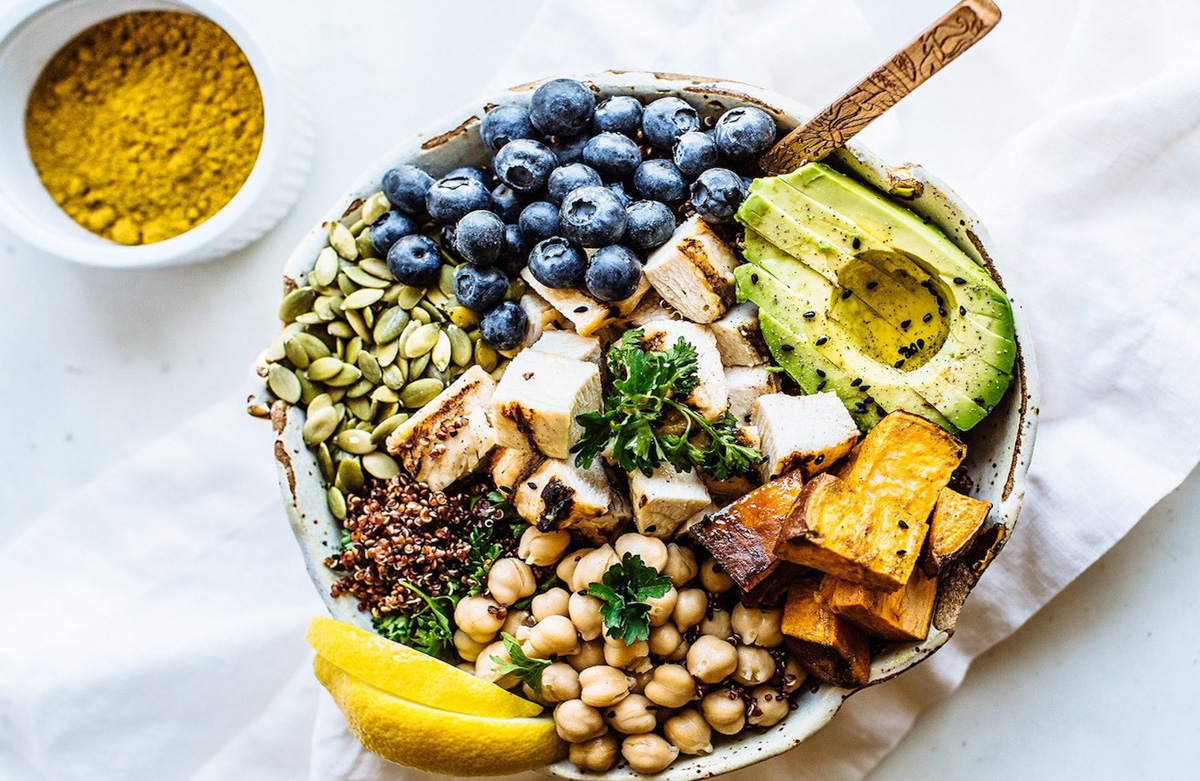
Transform Your Diet: Easy Blue Zone Recipes for Mindful Eating
If you're seeking a path to a longer, healthier, and more vibrant life, the secret might just be waiting for you in your kitchen. Inspired by the world's renowned "Blue Zones"—regions where people live remarkably long and healthy lives—
blue zone recipes offer a delicious and accessible way to embrace a lifestyle of longevity. These aren't restrictive diets, but rather a celebration of wholesome, plant-forward ingredients that nourish both body and soul, encouraging a deeper connection to what you eat.
The Philosophy Behind Blue Zone Eating: More Than Just Food
Blue Zones aren't just geographical locations; they represent a lifestyle characterized by natural movement, strong social connections, a sense of purpose, and most significantly, a distinct approach to food. While each Blue Zone has its unique culinary traditions—from the olive oil-rich Ikaria, Greece, to the bean-heavy Costa Rica, and the sweet potato-loving Okinawa, Japan—they all share fundamental dietary principles.
At its core, Blue Zone eating emphasizes a diet rich in plant-based foods, whole grains, and healthy fats. It's about consuming food that grows naturally, is minimally processed, and is often prepared simply. This means prioritizing legumes (beans, lentils, chickpeas), whole grains (oats, barley, farro, brown rice), leafy greens, seasonal fruits, nuts, and generous amounts of olive oil. Meat is consumed sparingly, often as a celebratory dish rather than a daily staple, and dairy is typically limited. The focus is on nutrient density, fiber content, and anti-inflammatory properties that support cellular health and reduce the risk of chronic diseases.
Beyond the ingredients themselves, Blue Zone eating is deeply intertwined with
mindful eating. It’s about savoring meals, often in the company of loved ones, eating slowly until satisfied (not stuffed), and appreciating the journey of food from farm to table. This holistic approach is what truly unlocks the longevity secrets of these remarkable communities.
Core Ingredients: Your Blue Zone Pantry Staples
Building a Blue Zone pantry is simpler than you might think. It revolves around accessible, affordable, and incredibly versatile ingredients that form the backbone of countless delicious meals. When you stock up on these staples, you’ll find that preparing healthy, satisfying dishes becomes second nature.
Here are the essential ingredients to embrace for authentic
blue zone recipes:
*
Legumes (Beans, Lentils, Chickpeas): These are superstars, providing protein, fiber, and essential minerals. Think black beans, pinto beans, cannellini beans, chickpeas, and various lentils. They are incredibly versatile for stews, salads, and spreads.
*
Whole Grains: Farro, barley, oats, quinoa, brown rice, and whole-wheat pasta provide sustained energy and crucial fiber.
*
Olive Oil: A cornerstone of Mediterranean Blue Zones, extra virgin olive oil is a healthy fat powerhouse, rich in antioxidants and monounsaturated fatty acids. Use it generously for cooking, dressings, and finishing dishes.
*
Nuts and Seeds: Almonds, walnuts, cashews, chia seeds, flax seeds, and sesame seeds offer healthy fats, protein, and crunch. Enjoy them as snacks or sprinkle them over meals.
*
Leafy Greens: Spinach, kale, Swiss chard, collard greens – these nutrient-dense powerhouses are packed with vitamins and minerals.
*
Sweet Potatoes: Especially prominent in the Okinawan diet, sweet potatoes are rich in complex carbohydrates and antioxidants.
*
Fresh Fruits: Berries, citrus, apples, bananas – naturally sweet and full of vitamins and antioxidants.
*
Herbs and Spices: Fresh garlic, onions, oregano, thyme, rosemary, turmeric, ginger – these flavor enhancers add depth without excessive salt and offer additional health benefits.
By focusing on these ingredients, you’re not just eating for longevity; you’re also enjoying incredible flavor and variety.
Easy Blue Zone Recipes to Kickstart Your Journey
Embracing Blue Zone principles doesn't mean exotic ingredients or complex cooking methods. Many of the most celebrated dishes from these regions are remarkably simple, focusing on fresh produce and straightforward preparation. Here are a few inspirational
blue zone recipes to get you started, demonstrating the diverse flavors and ease of this eating style:
1. Mediterranean Chickpea Salad
A vibrant and refreshing staple, perfect for a quick lunch or a flavorful side. Combine canned chickpeas (rinsed), chopped cucumber, tomatoes, red onion, bell peppers, Kalamata olives, and fresh parsley. Dress with a generous amount of extra virgin olive oil, lemon juice, dried oregano, salt, and pepper. This salad is bursting with fiber, protein, and healthy fats.
2. Hearty Lentil Soup (Fakes - Greek Inspired)
A warming, nutrient-dense soup that is a pillar of the Ikarian diet. Sauté onions, garlic, and carrots in olive oil. Add brown or green lentils, bay leaves, diced tomatoes, and vegetable broth. Simmer until lentils are tender, then finish with a splash of red wine vinegar and fresh parsley. It’s incredibly satisfying and ideal for meal prepping.
3. Okinawa Sweet Potato & Veggie Stir-Fry
Embrace the Okinawan focus on sweet potatoes with a colorful stir-fry. Sauté cubes of purple or orange sweet potato until tender, then add a medley of your favorite vegetables like broccoli florets, snap peas, bell peppers, and mushrooms. Season with a light soy sauce or tamari, ginger, and a touch of sesame oil. Serve over brown rice for a complete meal.
4. Costa Rican Gallo Pinto (Black Beans and Rice)
A staple in Nicoya, Costa Rica, this dish proves that simple ingredients can create profound flavor. Cook black beans with aromatics like onion, garlic, and cilantro. Separately, cook brown rice. Then, combine the cooked beans and rice, often with a special Lizano sauce (or a mix of Worcestershire sauce, cilantro, and spices), heating gently until flavors meld. It’s a versatile base for any meal.
5. Sardinian Herb-Crusted Baked Tomatoes
Inspired by the longevity hotbed of Sardinia, this side dish elevates simple tomatoes. Halve ripe tomatoes and arrange them on a baking sheet. Drizzle generously with olive oil, then sprinkle with a mixture of fresh oregano, thyme, minced garlic, a pinch of whole-grain breadcrumbs (optional, for texture), salt, and pepper. Bake until the tomatoes are tender and slightly collapsed, with a fragrant, crisp crust. This celebrates the fresh, seasonal produce key to Blue Zone eating.
These recipes are just a glimpse of the culinary delights awaiting you. They highlight how easily you can incorporate Blue Zone principles into your daily routine, prioritizing whole foods that taste incredible and contribute to long-term health.
Practical Tips for Integrating Blue Zone Meals into Your Week
Making the shift to a Blue Zone-inspired diet doesn't have to be daunting. With a few practical strategies, you can effortlessly weave these longevity-promoting meals into your busy schedule.
1.
Embrace Meal Prep: Dedicate a few hours each week to batch cooking grains like farro or brown rice, roasting a tray of vegetables, or cooking a large pot of beans or lentils. Having these components ready makes assembling quick Blue Zone meals a breeze.
2.
Prioritize Produce: Make fruits and vegetables the star of every plate. Start your day with fruit and whole-grain oats, load up sandwiches with plenty of greens, and make half your dinner plate non-starchy vegetables.
3.
Flavor with Herbs and Spices: Instead of relying on excessive salt, unhealthy fats, or sugary sauces, learn to enhance your dishes with fresh and dried herbs, spices, citrus zest, and vinegars. Garlic, onions, and fresh peppers are also fantastic for building flavor.
4.
Think "Plant-Forward": Instead of asking "What meat should I have?", ask "What plant protein will make this meal complete?" Legumes are excellent for this, offering a satisfying texture and rich flavor.
5.
Practice Mindful Eating: Slow down. Put away distractions. Chew thoroughly and pay attention to your body's hunger and fullness cues. Aim to eat until you are about 80% full, a common practice in Blue Zones, known as the "Hara Hachi Bu" in Okinawa.
6.
Involve Your Community: Blue Zone communities often share meals with family and friends. Make cooking and eating a communal activity. Sharing food not only makes meals more enjoyable but also strengthens social bonds, which is another pillar of Blue Zone longevity.
Conclusion
Transitioning to a Blue Zone-inspired diet is an investment in your future health and happiness. By embracing easy blue zone recipes, you're not just changing what you eat; you're adopting a mindful approach to nourishment that has been proven to support longevity and overall well-being. These delicious, plant-rich meals are simple to prepare, incredibly flavorful, and perfectly aligned with a lifestyle that celebrates health, vitality, and connection. Start exploring the vibrant world of Blue Zone cuisine today, and savor your journey towards a longer, healthier life.